Long before Tokaj wine graced the tables of European monarchs — before Louis XIV of France declared it "the wine of kings, the king of wines" — it was Jewish merchants who laid the foundations of its trade. From the eighteenth century onward, Jews settled across the Hegyalja foothills as tenant farmers, vintners, and above all as traders, gradually taking over the wine business from the Greek merchants who had preceded them and building the commercial networks that carried Tokaji Aszú to markets across the continent.
The relationship between Jews and wine in this corner of northeastern Hungary was not incidental. It was structural. Jewish law requires kosher wine for ritual use, and communities that could produce their own were at an obvious advantage. But the Jews of Tokaj went far beyond sacramental production. They became the region's dominant merchants, innovating techniques for producing and storing the botrytized sweet wines — the famous Aszú — that made the region's reputation. By the nineteenth century, Jewish-owned cellars and trading houses were responsible for a large share of the region's output.
A landscape of synagogues
The wealth generated by the wine trade transformed the small towns of the Hegyalja into thriving Jewish centers. Tokaj, Tarcal, Mád, Bodrogkeresztúr, Olaszliszka, Erdőbénye — each of these villages, some with no more than a few hundred inhabitants, supported its own synagogue, mikveh, and Jewish cemetery. In Mád, the community built one of the region's leading yeshivot, attracting students from across Hungary and beyond. In Bodrogkeresztúr, the court of the Hasidic rebbe Shayele became a magnet for pilgrims — a tradition that continues to this day, with thousands of Hasidim visiting the rebbe's grave each year on the anniversary of his death.
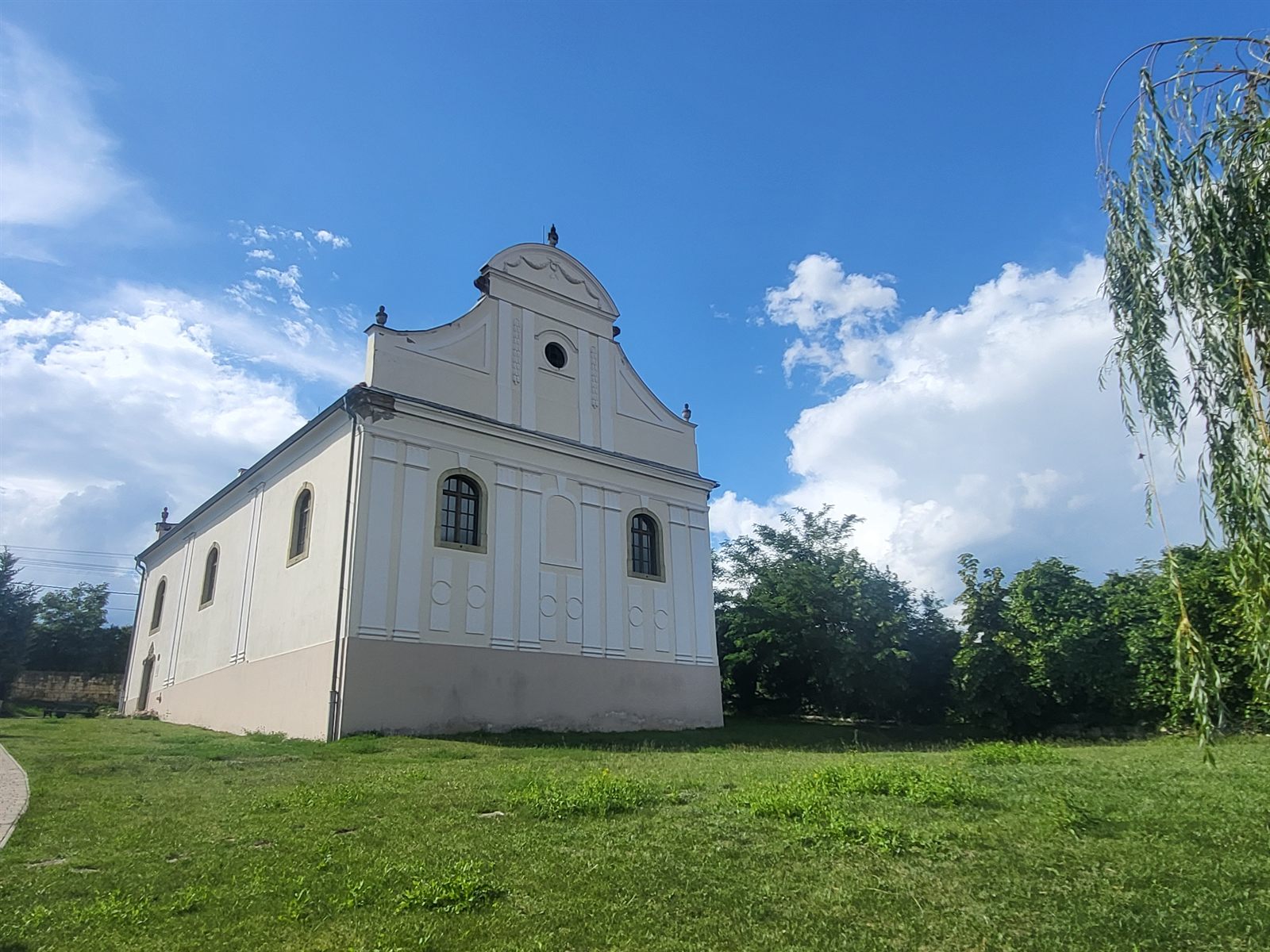
"The vineyards are still here, the cellars are still here, but the people who built them are gone. You walk through Mád and you see the synagogue, beautifully restored, and then you notice there are no Jews left in the town at all."
The network of Hasidic courts and pilgrimage routes that once crisscrossed the Tokaj hills is today traced by what locals call the "Rebbes' Route" — a circuit linking the graves and former courts of the region's wonder-working rabbis. It is a landscape dense with memory: almost every village has its cemetery, its ruined or restored prayer house, its stories of rabbis who performed miracles and merchants who built fortunes from the golden wine.
Destruction and silence
The Holocaust erased the Jewish communities of Tokaj almost entirely. In the spring and summer of 1944, the Jews of the Hegyalja were rounded up, concentrated in ghettos in Sátoraljaújhely and Miskolc, and deported to Auschwitz. Few returned. The synagogues fell silent, the cellars passed to new owners, and within a generation the Jewish presence that had shaped the region for two centuries was all but forgotten.
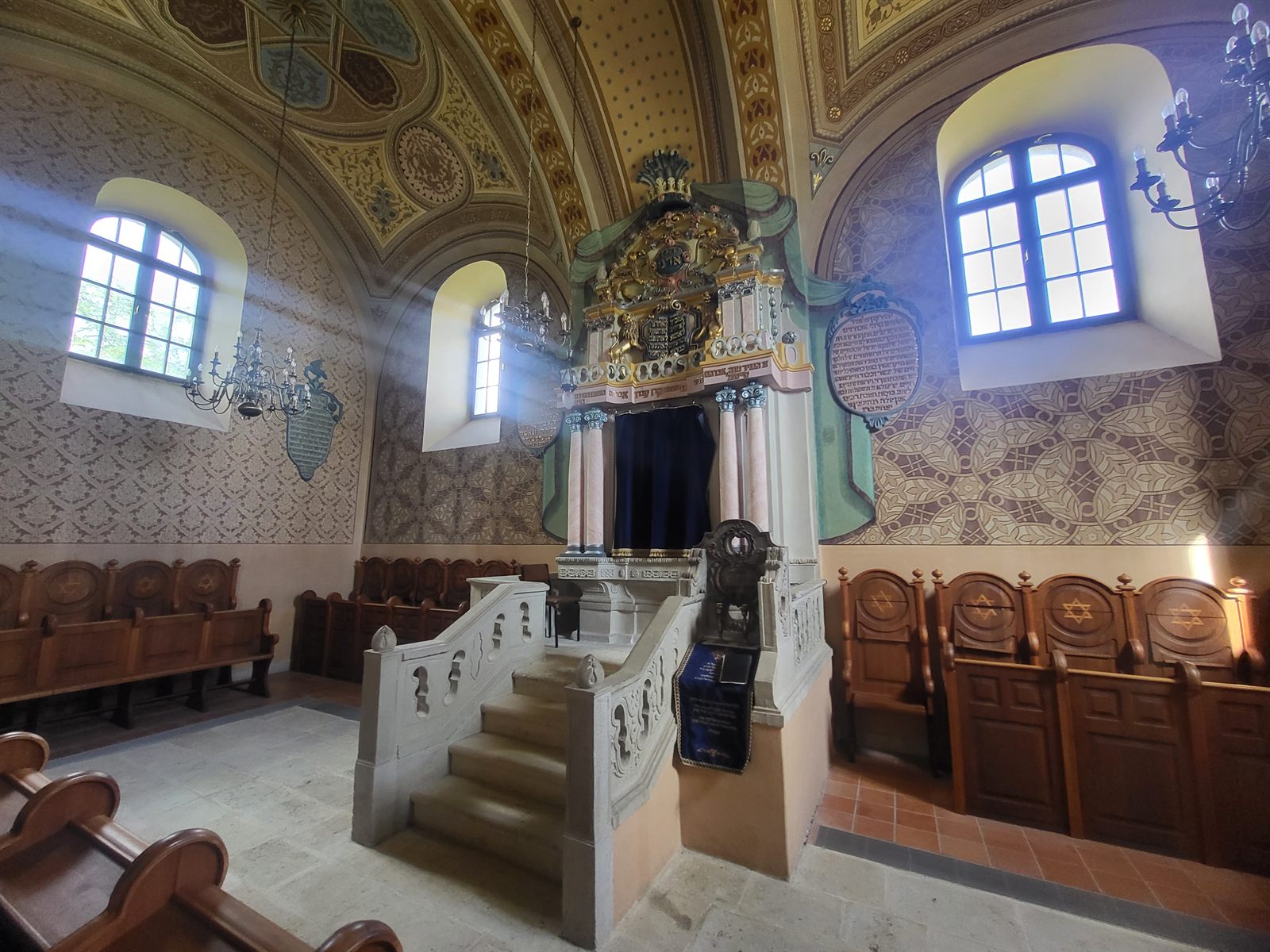
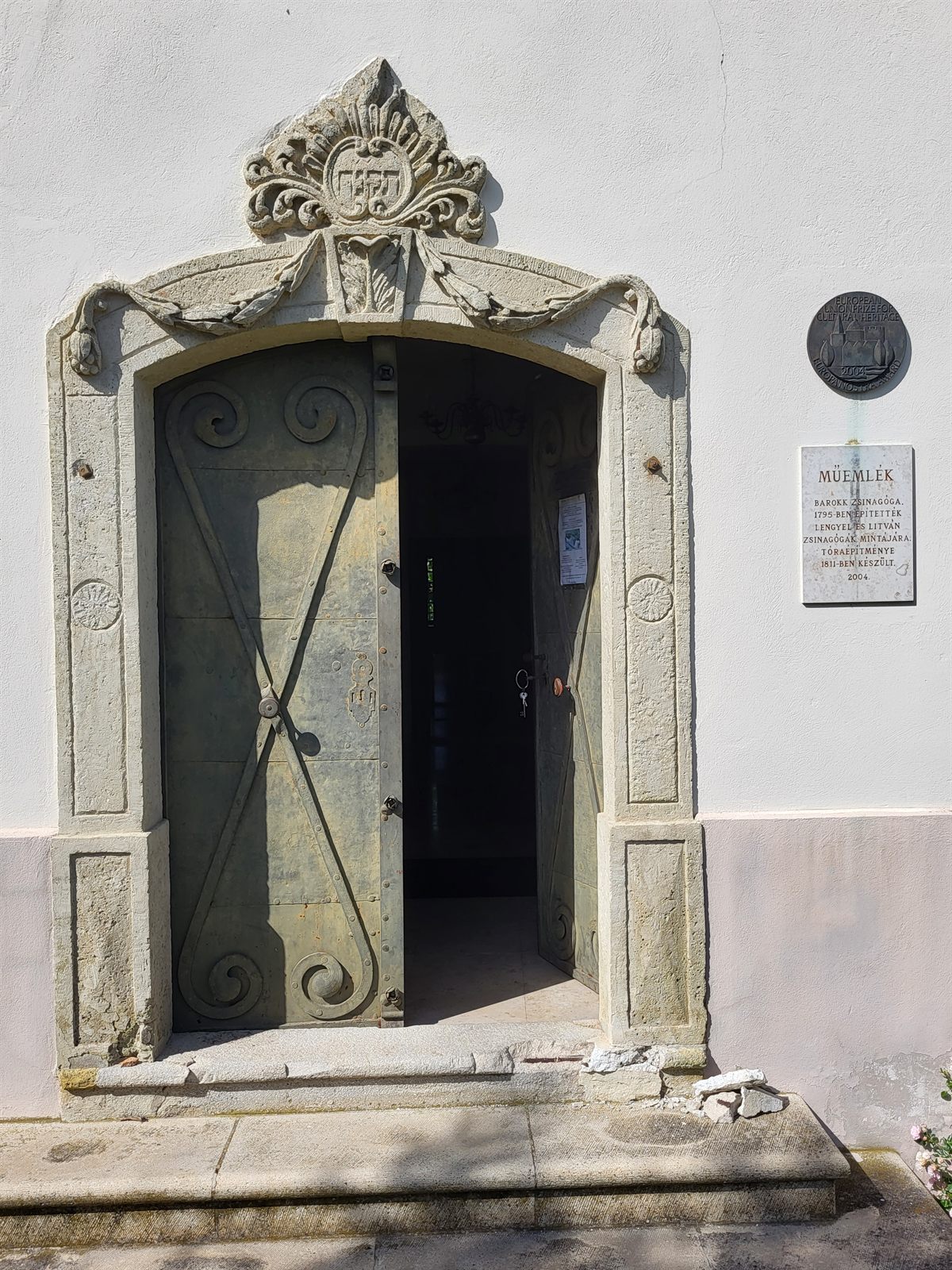
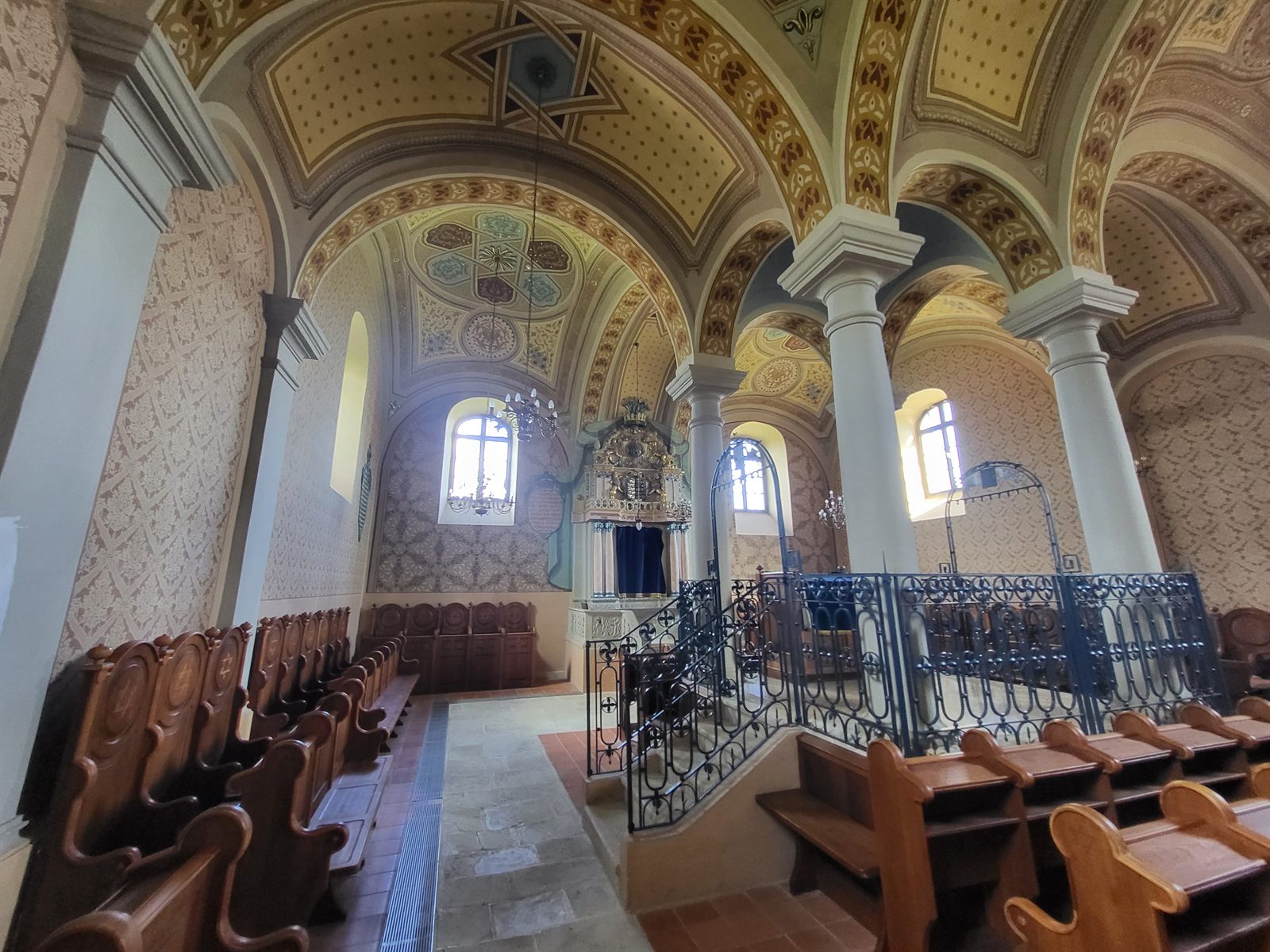
Today, some of those synagogues have found second lives. In Mád, the magnificent eighteenth-century synagogue has been restored as a cultural center and occasional concert venue. In Tokaj itself, the old prayer house survives as the region's only active synagogue, maintained by a community of just a handful of souls. In Tarcal, the restored synagogue serves as a gallery. But in many of the smaller villages — Erdőbénye, Olaszliszka, Bodrogkeresztúr — the buildings stand empty or have disappeared entirely, leaving only the cemeteries on the hillsides as evidence that Jews once lived here at all.
The Tokaj wine region is part of our Budapest, Szeged & Tokaj, Timișoara & Oradea, Košice & Prešov group tour, where we spend two nights exploring its Jewish heritage, vineyards, and Hasidic pilgrimage sites.